US air force launches market research for new low-cost surveillance drones
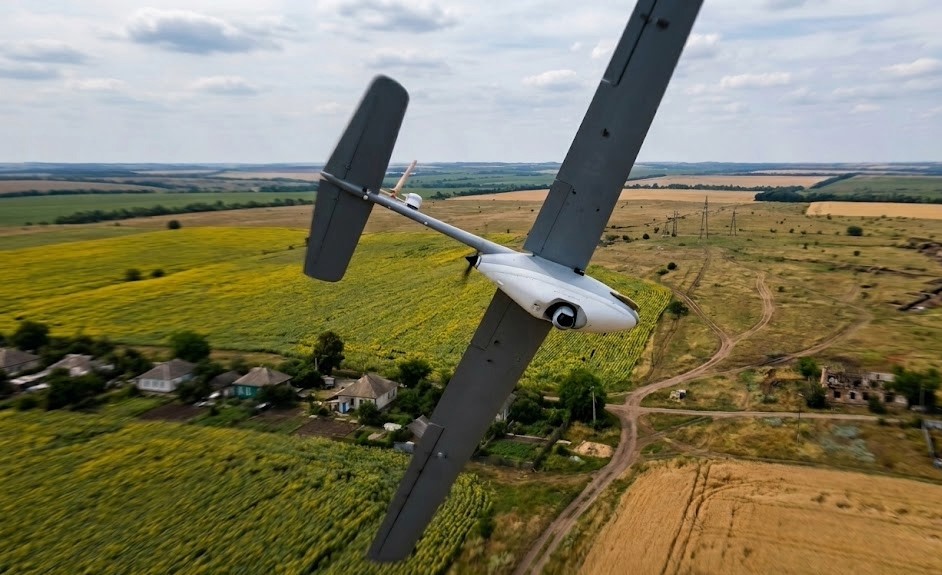
US air force launches market research for new low-cost surveillance drones

The US air force is exploring the market for a new generation of unmanned aerial vehicles (UAVs) to boost its intelligence, surveillance and reconnaissance (ISR) capabilities. According to a request for information (RFI) issued on 14 April 2026 by the Air Force Life Cycle Management Center, military operators are seeking low-cost, fast-to-deploy airborne systems to increase mission flexibility and mission surging.
The core focus of the RFI is the acquisition of ‘attritable’ aircraft. The document defines these as systems that sit on a continuum between expendable, single-use weapons and sophisticated, maintainable aircraft. While no specific price limit is set, attritable UAVs are expected to have limited reusability and feature lower costs and limited maintenance requirements compared with sophisticated legacy platforms.
Mission capabilities and performance
Operators plan to use the UAVs for tasks including battle damage assessment, full-motion video monitoring, and signal detection and characterisation. To outline the desired capabilities, the air force has published several key performance parameters, which distinguish between minimum ‘threshold’ requirements and desired ‘objective’ values.
The threshold requirement for range is 200km (124 miles) from the launch and recovery location to the collection area, with an objective range of 1,500km (932 miles). The aircraft must also be capable of loitering in the collection area for four hours, though 20 hours is the ultimate objective. The drones will be expected to deploy rapidly to austere locations and perform in a variety of weather and environmental conditions.
Furthermore, the RFI stresses the need for integration with various sensor arrays, such as electro-optical and infrared cameras, alongside secure beyond-line-of-sight communications, automated route planning, and on-board data processing.
The RFI process
The document makes it clear that the RFI is issued solely for informational purposes and market research. It does not constitute a formal solicitation, and the US government will not reimburse companies for expenses associated with their submissions.
However, the information gathered may help shape the air force’s acquisition strategy, statements of work, and performance specifications. Because the government’s primary interest is acquiring meaningful combat capability, the RFI encourages respondents to propose innovative solutions and trades that might deviate from the stated objectives if they result in a ‘more effective, affordable, or producible system’.
Any future acquisition will require a comprehensive support strategy to ensure operational availability. Respondents are asked to be prepared to address long-term logistics, including supply chain risk management, maintenance concepts, manpower training, and continuous cyber security support.
https://sam.gov/workspace/contract/opp/d3ee4eb8c6d246788033b10dcccc72fa/view
Related
Discover more from sUAS News
Subscribe to get the latest posts sent to your email.